


Lameness is something every horse owner dreads. It can appear suddenly or creep in over time, and without a clear diagnosis, it can be frustrating, costly, and worrying for both you and your horse.
But here’s something that might surprise you…
There’s a hidden gap around awareness in lameness diagnosis
Recent research [1] suggests that many UK horse owners don’t instinctively think of MRI when their horse goes lame.
In fact, when asked what tests a vet might use in helping detect unexplained lameness, only 16% of UK horse owners mentioned MRI unprompted. Surprisingly, even X-rays, often considered the “go-to” diagnostic tool, were only mentioned by 21%.
Interestingly though, when owners were shown a list of imaging options, awareness of MRI jumped to 60%. So what’s going on?
Put simply, most horse owners know what MRI is, but don’t immediately connect it to their horse’s lameness.
Why early and accurate diagnosis matters
When a horse goes lame, timing matters. Without a clear diagnosis, horses can end up getting stuck in a timely and expensive treat-repeat loop resulting in:
- Receiving treatments that don’t address the real issue
- Spending longer out of work
- Experiencing a slower, or incomplete, recovery
In some cases, delays can even lead to longer-term damage that might have been prevented had advice been sought from the owners chosen vet sooner. That’s why accurate diagnosis isn’t just helpful – it’s essential.
What makes MRI different?
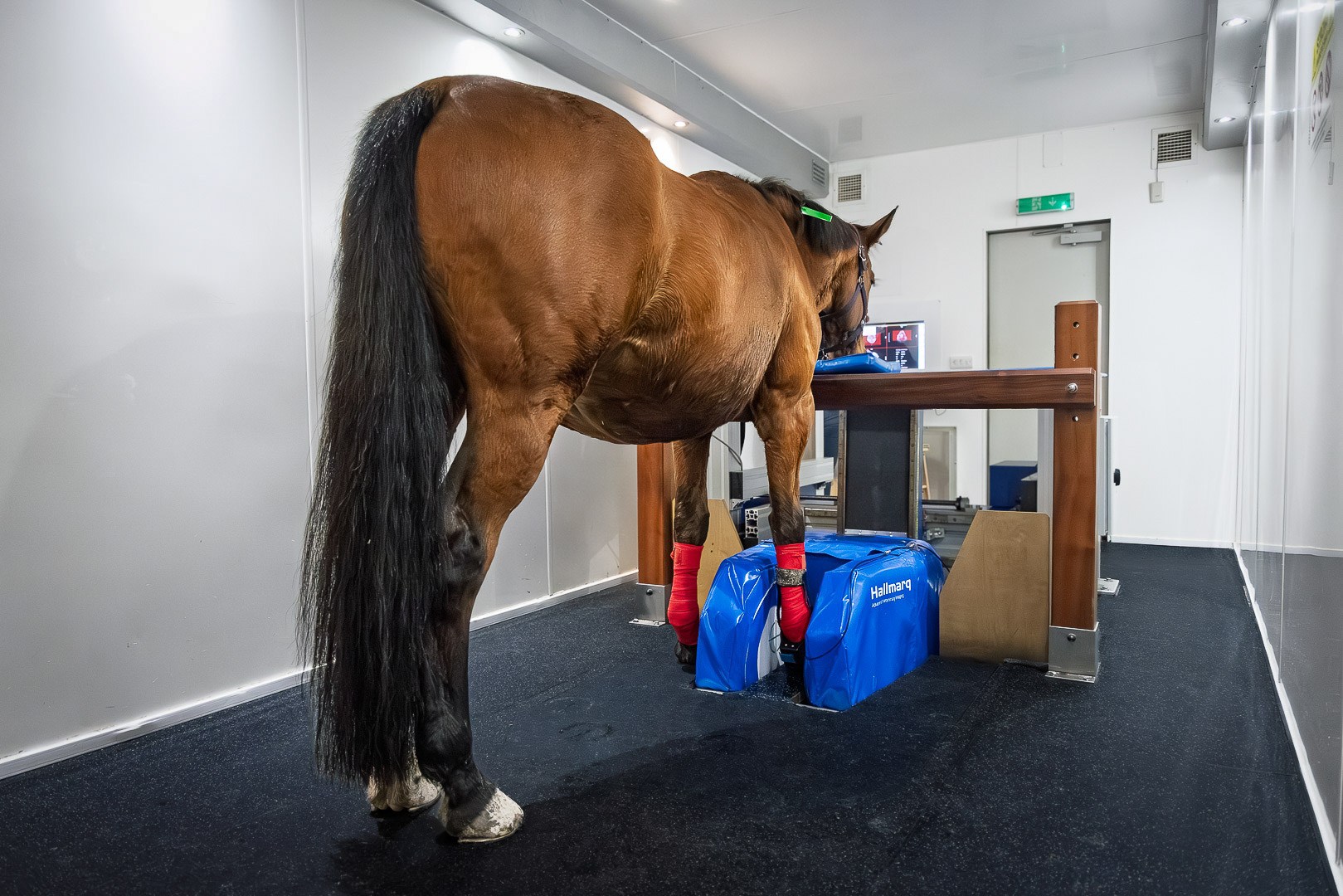
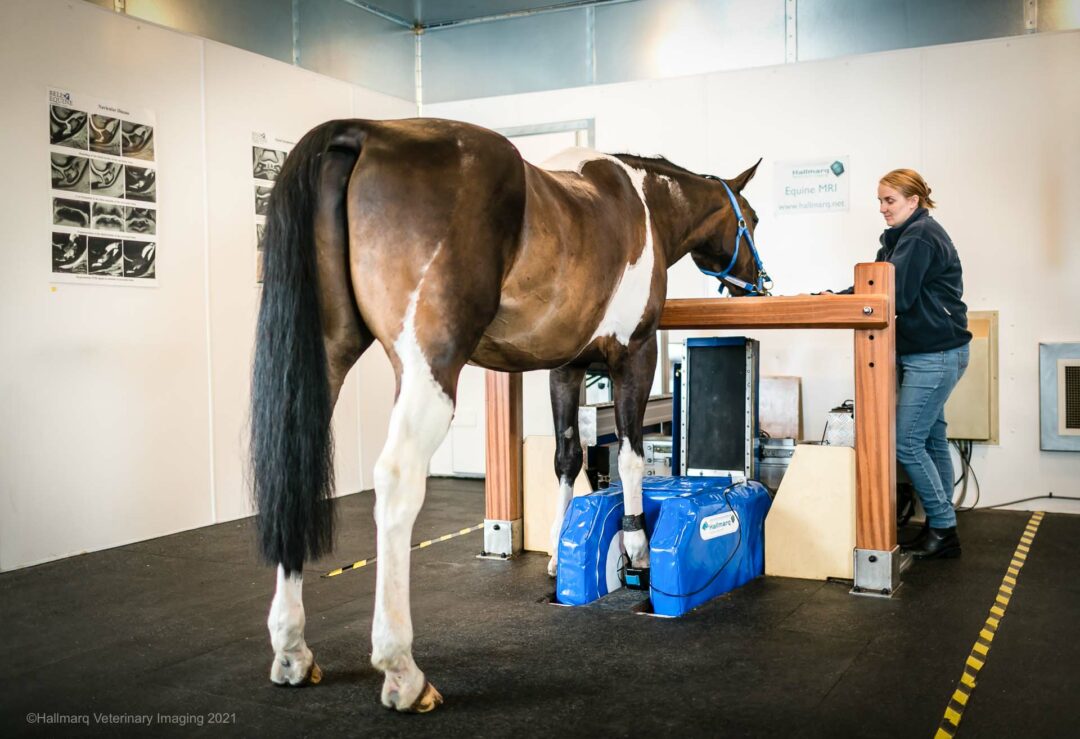
MRI (Magnetic Resonance Imaging) is particularly useful because it allows vets to see soft tissue and bone in detail, helping to identify issues that other imaging methods – such as X-ray and ultrasound – may miss. For equine patients, standing MRI has made this even more accessible.
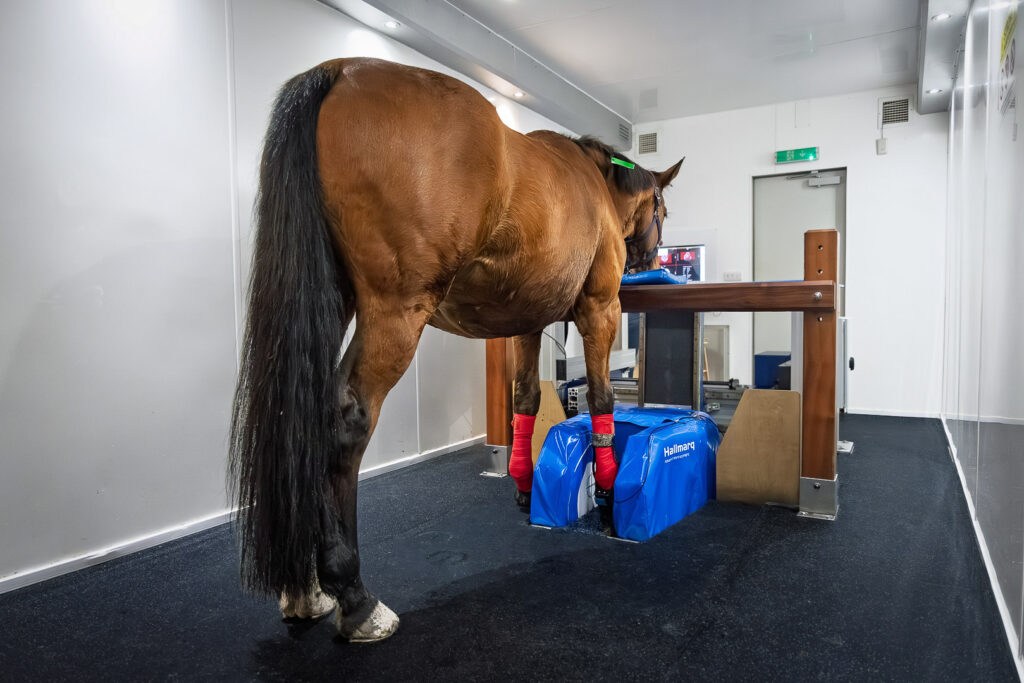
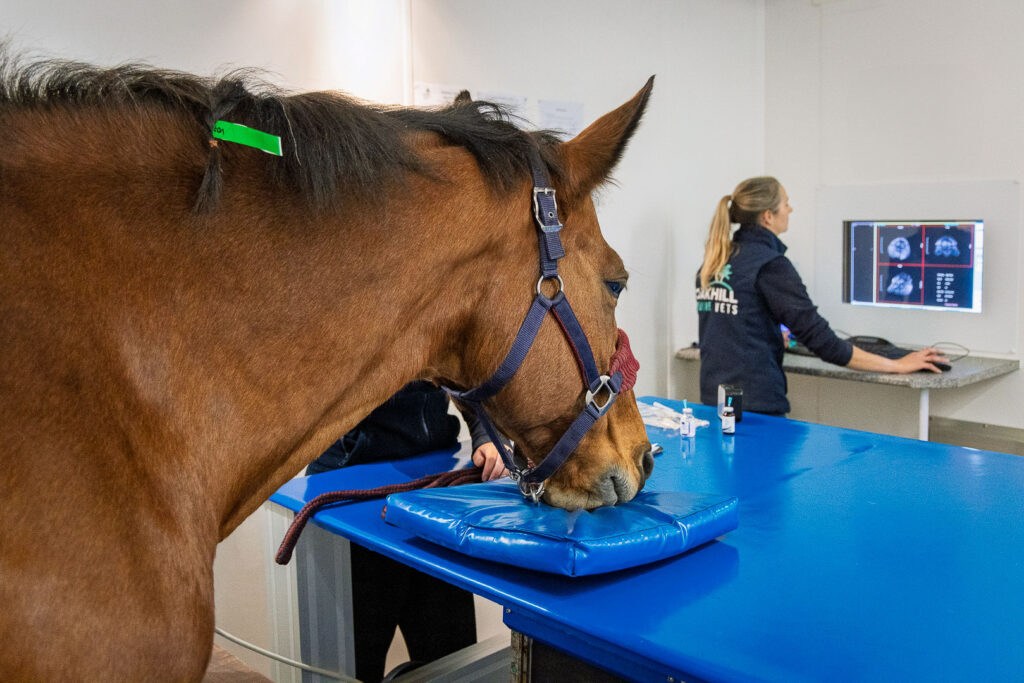
The benefits of standing MRI include:
- No general anaesthetic required: your horse remains standing under sedation
- Reduced risk: compared with traditional ‘down’ or recumbent MRI methods
- More detailed imaging: particularly for complex or subtle injuries
Despite these advantages, cost and unfamiliarity remain barriers for many owners which is why awareness is so important.
Why MRI awareness matters for horse owners
It’s clear that every owner want to do the right thing for their horse, but knowing what questions to ask and what options exist can make all the difference to the outcome. If knowledge around the availability and efficacy of MRI isn’t even on the radar, it may not come up in conversations with your vet early on. That can mean:
- Delays in getting the right diagnosis
- More time trying different treatments
- Increased frustration and uncertainty
Bridging that awareness gap helps owners feel more confident and better prepared to advocate for their horse. But where to find information that is educational, reassuring and helpful when putting together your “lameness list?”
Talk Lameness: a new resource to help
To help tackle this gap, we’ve launched Talk Lameness, a free, owner-friendly online hub designed to make lameness easier to understand. It’s practical, accessible, and designed specifically for horse owners, not vets. It will, however, give owners top tips and plenty of useful advice on how and when to spot lameness, how to record the signs and symptoms and how to prepare for a conversation with your vet. Afterall, if you can’t tell your horse’s lameness story for them, who can?
What you’ll find on Talk Lameness:
- ‘Is my horse lame?’ quiz: test your knowledge with multi-choice questions designed to help you spot subtle signs of lameness
- Clear, jargon-free articles: understand diagnostics like nerve blocks, scintigraphy and MRI
- Downloadable resources: with hints and tips such as first aid and what to ask your vet
- Short expert-led videos: topics from equine vets and top grooms, include lunging for lameness, vet visits, and when MRI might be helpful
- Downloadable tools: track changes and communicate clearly with your vet
The bottom line
Lameness isn’t always straightforward, but understanding your options can make it far less overwhelming.
MRI isn’t always the first step, but it can be a crucial piece of the puzzle. The more horse owners understand about it, the better equipped they are to make informed decisions and support their horse’s recovery.
Want to learn more about lameness?
If you’d like to feel more confident spotting the signs and understanding your options, visit Talk Lameness for practical tools and expert advice designed just for horse owners.
[1] Data taken from Hallmarq’s own research January 2026